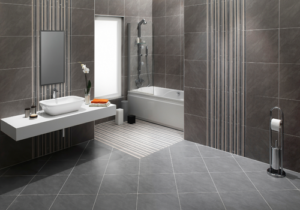
Choosing the right tile size for your space can dramatically impact the overall look and feel of a room. Whether you’re renovating a bathroom, updating your kitchen, or installing new flooring throughout your home, understanding how to select appropriate tile dimensions is crucial for achieving professional-looking results.
Understanding Tile Size Basics
Tiles come in a wide variety of sizes, from small mosaics measuring just one inch to large-format tiles spanning 24 inches or more. The size you choose affects not only aesthetics but also installation complexity, maintenance requirements, and perceived room dimensions. Before making your selection, consider how different sizes interact with your specific space.
Small tiles typically range from 1×1 inches to 4×4 inches, medium tiles fall between 6×6 inches and 12×12 inches, while large-format tiles start at 12×12 inches and can extend to 24×48 inches or larger. Each category serves different purposes and creates distinct visual effects in your home.
How Room Size Influences Tile Selection
The dimensions of your room play a significant role in determining the most suitable tile size. In smaller rooms like powder bathrooms or compact entryways, medium-sized tiles between 8×8 and 12×12 inches often work best. They create visual interest without overwhelming the space with too many grout lines or making the area feel cramped with oversized tiles.
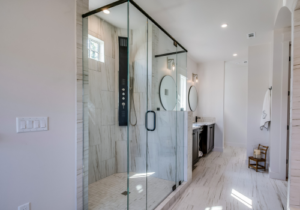
For larger areas such as open-concept living spaces, master bathrooms, or expansive kitchens, large-format tiles can create a seamless, sophisticated appearance. These bigger tiles reduce the number of grout lines, making the space feel more cohesive and easier to maintain. The continuous surface draws the eye across the room, emphasizing its generous proportions.
Conversely, very small mosaic tiles can add texture and character to accent areas, shower floors, or backsplashes, regardless of room size. They offer enhanced slip resistance and allow for creative patterns and color combinations.
Considering Room Function and Layout
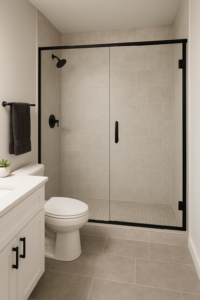
Different rooms have unique requirements that should guide your tile size decision. In bathrooms, especially shower areas, smaller tiles provide better traction when wet due to increased grout lines. Floor tiles in bathrooms typically range from 6×6 to 12×12 inches for optimal safety and water drainage.
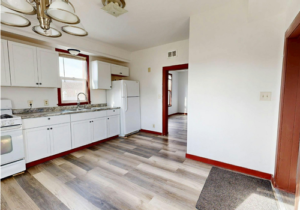
Kitchens benefit from larger floor tiles that minimize grout lines, making cleanup easier after cooking activities. However, kitchen backsplashes often feature smaller or medium-sized tiles that complement cabinet heights and create visual focal points behind stoves and sinks.
High-traffic areas like hallways and entryways perform well with medium to large tiles that are durable and require less maintenance. The reduced number of grout lines means fewer areas where dirt can accumulate.
Visual Impact and Design Goals
Your tile size choice directly affects how spacious or cozy a room feels. Larger tiles create an illusion of expanded space because they contain fewer grout lines, allowing the eye to travel uninterrupted across the floor or wall. This technique works particularly well in smaller rooms where you want to maximize the sense of openness.
Smaller tiles, on the other hand, add texture and detail that can make large, stark spaces feel more intimate and carefully designed. They also excel at navigating curved surfaces, irregular layouts, or areas requiring custom cuts around fixtures and corners.
The orientation of rectangular tiles also matters. Installing planks horizontally can make narrow rooms appear wider, while vertical installation draws the eye upward, creating the impression of higher ceilings.
Practical Installation Considerations
Before finalizing your tile size selection, consider the practical aspects of installation. Large-format tiles require a perfectly level subfloor because any imperfections become more noticeable across their expansive surface. They’re also heavier and may require special thin-set mortars and additional labor during installation, potentially increasing costs.
Smaller tiles are more forgiving on uneven surfaces and easier to handle individually, but installation takes longer due to the quantity needed. The abundance of grout lines also means more ongoing maintenance to keep them clean and sealed.
Medium-sized tiles often strike the best balance between ease of installation and aesthetic appeal, making them popular choices for DIY projects and budget-conscious renovations.
Matching Tile Size to Style
Your design aesthetic should also influence tile size selection. Modern and contemporary styles typically embrace large-format tiles with minimal grout lines for a sleek, streamlined appearance. These designs favor simplicity and clean lines that larger tiles naturally provide.
Traditional or vintage-inspired spaces often incorporate smaller tiles that reflect historical design periods. Subway tiles, penny rounds, and hexagonal mosaics add character and authenticity to classic design schemes.
Transitional styles can successfully incorporate various tile sizes, using larger tiles for main surfaces and smaller accent tiles for borders, niches, or decorative features that add personality without overwhelming the space.
Tile Size Comparison Chart
| Tile Size Category | Dimensions | Best For | Pros | Cons |
|---|---|---|---|---|
| Small/Mosaic | 1×1″ to 4×4″ | Shower floors, accents, backsplashes | Slip-resistant, flexible for curves, decorative | Time-consuming installation, more grout maintenance |
| Medium | 6×6″ to 12×12″ | Small bathrooms, laundry rooms, moderate spaces | Versatile, balanced aesthetic, easier DIY | May look dated in large spaces |
| Large Format | 12×12″ to 24×48″+ | Living areas, large bathrooms, open spaces | Modern look, fewer grout lines, easier cleaning | Requires level surface, heavier, professional installation recommended |
| Plank/Rectangular | 6×24″, 8×36″, 12×48″ | Wood-look applications, hallways, contemporary spaces | Elongates space, trendy, wood aesthetic | Can show lippage if not properly installed |
Frequently Asked Questions
Q: Can I use large tiles in a small bathroom?
A: Yes, you can use large tiles in small bathrooms, and they can actually make the space feel larger by reducing visual clutter from grout lines. However, tiles in the 12×12 to 12×24 inch range often work best, as extremely large tiles may require excessive cutting around fixtures and can overwhelm very tiny spaces.
Q: What’s the best tile size for a shower floor?
A: Smaller tiles, typically 2×2 inches or mosaic sheets, are ideal for shower floors because they provide better traction and allow for proper slope toward the drain. The increased number of grout lines enhances slip resistance when the surface is wet.
Q: Do larger tiles cost more than smaller ones?
A: Large-format tiles often cost more per square foot than standard sizes, and installation costs may be higher due to the need for specialized materials and experienced installers. However, you’ll save money on grout and may spend less time on long-term maintenance.
Q: Should floor and wall tiles be the same size?
A: Not necessarily. Many successful designs use different tile sizes for floors and walls to create visual interest and define spaces. For example, you might use 12×24 inch floor tiles with 4×12 inch subway tiles on walls for a balanced, contemporary look.
Q: How do I know if my subfloor can support large-format tiles?
A: Large-format tiles require a flat, stable subfloor with minimal deflection. Consult with a professional installer who can assess your subfloor’s condition. You may need to install additional underlayment or use self-leveling compound to create an appropriate surface for large tiles.
Q: What tile size makes a narrow hallway look wider?
A: Rectangular plank tiles installed perpendicular to the hallway length (running across the width) can make narrow hallways appear wider. Alternatively, large square tiles with minimal grout lines also help reduce visual fragmentation that emphasizes narrowness.
Q: Are there standard tile sizes I should stick with?
A: While popular sizes like 12×12, 12×24, and 6×24 inches are readily available and often more affordable, don’t feel restricted to these dimensions. However, standard sizes typically offer more color and style options, and replacement tiles are easier to source if needed in the future.
Making Your Final Decision
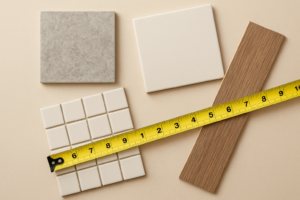
Selecting the right tile size requires balancing aesthetic preferences with practical considerations specific to your space. Take time to gather samples in different sizes and lay them out in your room before making a final commitment. Consider how the tiles interact with your room’s dimensions, lighting, and existing design elements.
Don’t hesitate to consult with tile professionals or interior designers who can provide insights based on experience with similar projects. They can help you avoid common mistakes and ensure your tile selection enhances rather than detracts from your space.
Remember that there’s no universally “correct” tile size—the best choice depends on your specific room characteristics, design goals, budget, and personal preferences. By carefully considering all these factors, you’ll select tile dimensions that create a beautiful, functional space you’ll enjoy for years to come.