Choosing the right tile size can make or break the look and feel of any room in your home. The wrong size can make a space feel cramped or awkwardly empty, while the perfect tile dimensions can enhance your room’s proportions and create a stunning visual impact. Let’s explore how to select the ideal tile size for every space in your home.
Understanding Tile Size Basics
Tile sizes have evolved dramatically over the years. While 12×12 inch tiles were once the standard, today’s market offers everything from tiny mosaics to massive 24×48 inch planks. The key is understanding that tile size directly influences how spacious or cozy a room feels, how many grout lines you’ll see, and even how much maintenance you’ll need to do.
Generally speaking, larger tiles create fewer grout lines, which can make a space look more expansive and require less cleaning. Smaller tiles, on the other hand, offer better traction and can add intricate visual interest to your design.
Small Rooms and Bathrooms
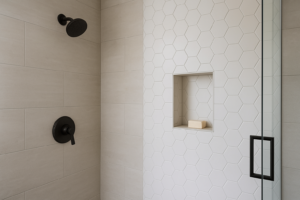
There’s a common misconception that small rooms require small tiles, but that’s not always true. For compact bathrooms or powder rooms, medium-sized tiles (12×24 or 18×18 inches) often work best. They create a sense of openness without overwhelming the space.
However, if you’re tiling a shower floor or an area where slip resistance is crucial, smaller tiles like 2×2 or 4×4 inches are actually preferable. The increased number of grout lines provides better traction when wet, making them a safer choice for these specific applications.
Large Living Spaces and Open Floor Plans
When you’re working with generous square footage, you can confidently embrace large format tiles. Sizes like 24×24, 24×48, or even 36×36 inches look spectacular in great rooms, open-concept kitchens, and spacious entryways. These oversized tiles minimize grout lines and create a sleek, contemporary aesthetic that allows the eye to flow smoothly across the floor.
Large tiles also mean faster installation and easier cleaning, though they do require a perfectly level subfloor to prevent cracking or lippage between tiles.
Kitchen Considerations
Kitchens are high-traffic areas that need both style and durability. For kitchen floors, 12×24 or 18×18 inch tiles strike an excellent balance. They’re large enough to create a clean look but not so massive that cutting around cabinets and appliances becomes wasteful or difficult.
For kitchen backsplashes, you have more creative freedom. Popular choices include 3×6 inch subway tiles for a classic look, or you might opt for larger 4×12 or 6×12 inch tiles for a more modern feel with fewer grout lines to clean.
Narrow Hallways and Corridors
Narrow spaces present unique challenges. To make a hallway feel wider, consider using rectangular tiles laid perpendicular to the length of the hall. A 12×24 inch tile installed this way creates horizontal lines that visually expand the width of the space.
Avoid very large square tiles in narrow hallways, as you’ll end up with awkward cuts along both sides that draw attention to the space’s limitations.
The Grout Line Factor
Remember that your choice of tile size directly impacts the number of grout lines you’ll have. More grout lines mean more maintenance but can also add character and texture to your design. Larger tiles with minimal grout lines create a more modern, minimalist look, while smaller tiles with more grout create traditional or intricate patterns.
Consider the color of your grout too—contrasting grout makes the tile pattern more prominent, while matching grout creates a more seamless appearance.
Practical Installation Considerations
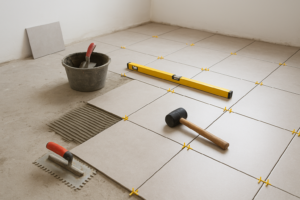
Before finalizing your tile size choice, think about the practical aspects of installation. Larger tiles are heavier and require more skill to install properly. They also need a flatter subfloor and may crack more easily if the surface isn’t perfectly prepared.
Smaller tiles are more forgiving of minor subfloor imperfections and are easier to work with on curved surfaces or in rooms with many corners and obstacles. However, they take longer to install and create more grout lines to seal and maintain.
Tile Size Comparison Chart
| Tile Size | Best For | Pros | Cons |
|---|---|---|---|
| Small (2×2 to 6×6 inches) | Shower floors, small accent areas, mosaics | Better traction, works on curves, intricate designs | More grout lines, longer installation, more maintenance |
| Medium (12×12 to 12×24 inches) | Small to medium rooms, kitchens, standard bathrooms | Versatile, balanced look, reasonable installation time | May look dated in very modern designs |
| Large (18×18 to 24×24 inches) | Large rooms, open floor plans, modern designs | Fewer grout lines, contemporary look, easier cleaning | Requires level subfloor, harder to cut, more waste |
| Extra Large (24×48+ inches) | Very large spaces, statement floors, commercial looks | Dramatic impact, minimal grout, sleek appearance | Professional installation recommended, expensive, less forgiving |
Room-by-Room Quick Guide
Master Bathroom: 12×24 or 18×18 inches for floors; 4×12 or 6×12 inches for walls
Small Bathroom: 12×12 or 12×24 inches for floors; 3×6 or 4×4 inches for walls
Kitchen Floor: 12×24 or 18×18 inches
Living Room: 18×18, 24×24, or 24×48 inches
Entryway: 12×24 or 18×18 inches
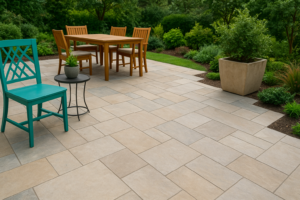
Outdoor Patio: 12×12 to 24×24 inches (textured for slip resistance)
Frequently Asked Questions
Can I use large tiles in a small bathroom?
Yes! Large tiles can actually make a small bathroom feel bigger by reducing visual clutter from grout lines. Just ensure your tile cutter can handle the size and plan your layout carefully to minimize awkward cuts.
Do larger tiles cost more than smaller tiles?
Not necessarily. While the price per tile is higher, you need fewer large tiles to cover the same area. Installation costs may also be lower due to faster installation time. However, you might have more waste from cuts, which can increase overall costs.
What’s the most popular tile size right now?
Currently, 12×24 inch rectangular tiles are extremely popular for their versatility and contemporary look. Large format tiles (24×24 and larger) are also trending in modern homes with open floor plans.
Should tile size match throughout my home?
Not necessarily. It’s perfectly fine to use different tile sizes in different rooms based on each space’s specific needs. However, maintaining consistency in style, color palette, or finish can help create flow between rooms.
How do I know if my floor can support large tiles?
Large tiles require a very flat, stable subfloor. Any deflection or unevenness can cause tiles to crack. Have a professional assess your subfloor, especially if you’re considering tiles larger than 18×18 inches. The subfloor may need additional reinforcement or leveling.
Are there any rooms where small tiles work better than large?
Yes! Small tiles excel in shower floors (for traction), around drains where slope is needed, on curved surfaces, and in spaces where you want to create detailed patterns or mosaics. They’re also more practical in rooms with many corners or built-in features that require lots of cuts.
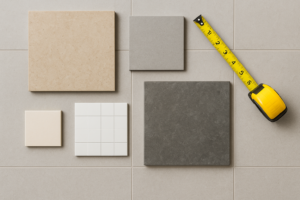
Ultimately, choosing the right tile size comes down to balancing aesthetics with practicality. Consider your room’s dimensions, your design style, your maintenance preferences, and your budget. When in doubt, request samples in different sizes and lay them out in your space to see how they actually look before making your final decision. The perfect tile size will make your room feel proportionate, polished, and perfectly suited to your lifestyle.