If you’re working with a small bathroom, you know the struggle is real. Every square inch counts, and making design choices that enhance rather than shrink your space becomes absolutely crucial. The good news? The right tile selections and installation techniques can completely transform your cramped quarters into an airy, welcoming retreat. Let’s explore some tile tricks that deliver maximum impact in minimal square footage.
Why Tile Choice Matters in Small Bathrooms
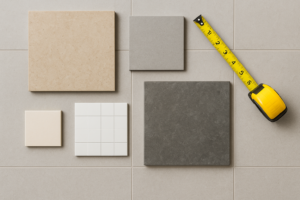
Before diving into specific strategies, it’s important to understand that tiles aren’t just functional surfaces—they’re visual tools that influence how we perceive space. The color, size, pattern, and placement of your tiles can either make walls feel like they’re closing in or create the illusion of expansiveness. Strategic tile selection can literally change how big your bathroom feels, even without knocking down a single wall.
Light Colors Create Visual Breathing Room
This might seem obvious, but it bears repeating: light-colored tiles reflect light and make spaces feel larger. White, cream, soft gray, and pale blue tiles bounce natural and artificial light around the room, opening things up considerably. That said, “light” doesn’t have to mean boring. Consider textured white tiles, subtle patterns in neutral tones, or tiles with a slight shimmer that adds interest without overwhelming the space.
If you’re worried about an all-white bathroom feeling sterile or cold, introduce warmth through fixtures, wood accents, or strategically placed darker tiles as accent features rather than dominant elements.
Go Big with Large-Format Tiles
Here’s where conventional wisdom gets flipped on its head. Many people assume small spaces need small tiles, but large-format tiles actually create fewer grout lines, which results in a cleaner, more expansive look. Those grid lines from small tiles can visually chop up your space, making it feel busier and more confined.
Consider tiles that are 12×24 inches or even larger for your floors and walls. The continuous surface area tricks the eye into perceiving more space than actually exists. This works particularly well on shower walls and bathroom floors where uninterrupted surfaces create flow.
Vertical Installations Draw the Eye Upward
Want to make your bathroom feel taller? Install rectangular tiles vertically rather than horizontally. This simple orientation change creates vertical lines that guide the eye upward, making ceilings appear higher than they are. This technique works beautifully with subway tiles, planks, and any elongated tile format.
You can take this concept further by extending your wall tiles all the way to the ceiling rather than stopping at a traditional wainscoting height. The unbroken vertical expanse adds considerable perceived height to your space.
Continuous Flooring Eliminates Visual Barriers
If your bathroom opens into another room or connects to a closet area, consider using the same floor tile throughout without transitions. This continuity removes visual stopping points that would otherwise segment the space, making the entire area feel more open and cohesive. Even within the bathroom itself, using the same tile in the shower as on the main floor creates seamless flow.
Strategic Pattern Placement Creates Depth
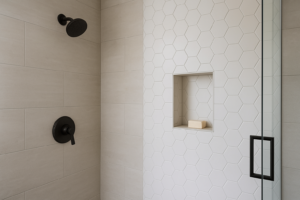
While busy patterns can overwhelm small spaces, strategically placed patterned tiles can actually add depth and interest. Consider using patterned tiles on a single accent wall, in a recessed shower niche, or as a decorative strip. This draws the eye to specific focal points and creates layers of visual interest that suggest greater depth.
Geometric patterns with linear elements can also guide the eye in specific directions—horizontal patterns make walls feel wider, while vertical patterns add height.
Glossy Finishes Maximize Light Reflection
Tile finish matters tremendously in compact bathrooms. Glossy and polished tiles reflect significantly more light than matte finishes, essentially acting as mirrors that bounce illumination throughout the space. This is particularly effective on walls where the reflective quality adds sparkle and openness.
That said, be cautious with glossy floor tiles in wet areas, as they can become slippery. Reserve your high-gloss selections for walls and consider a slight texture on floors for safety.
Minimize Grout Line Contrast
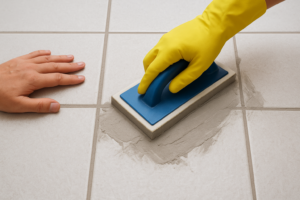
Dark grout lines against light tiles create a grid effect that can make spaces feel chopped up and smaller. Matching your grout color closely to your tile color creates a more seamless appearance that doesn’t interrupt the visual flow. If you’re using white or light gray tiles, choose grout in a similar shade rather than contrasting dark gray or black.
This doesn’t mean you can never use contrasting grout—just use it thoughtfully and sparingly, perhaps as an accent feature rather than throughout the entire space.
Tile Tricks Comparison Chart
| Tile Strategy | Best For | Visual Impact | Difficulty Level |
|---|---|---|---|
| Large-format tiles | Floors and walls | Reduces visual clutter, creates continuity | Moderate (requires precise installation) |
| Vertical tile orientation | Walls and shower surrounds | Makes ceilings appear higher | Easy |
| Light-colored tiles | All surfaces | Reflects light, opens up space | Easy |
| Glossy finishes | Walls (use caution on floors) | Maximizes light reflection | Easy |
| Continuous flooring | Connecting spaces | Eliminates visual boundaries | Moderate |
| Matching grout color | All tiled surfaces | Creates seamless appearance | Easy |
| Strategic pattern placement | Accent walls or features | Adds depth without overwhelming | Moderate |
Frequently Asked Questions
Q: Should I use the same tile on walls and floors in a small bathroom?
A: Using the same tile throughout can create beautiful continuity, but it’s not mandatory. Many designers recommend using the same tile in a different format (like a larger size on floors) or coordinating tiles that share similar tones. The key is maintaining visual harmony without creating jarring transitions.
Q: Are dark tiles ever appropriate in small bathrooms?
A: Absolutely! Dark tiles can work beautifully when used strategically. Consider a dark accent wall, dark floor tiles paired with light walls, or a dramatic shower feature. The contrast can actually create depth. Just balance darker elements with plenty of light surfaces and good lighting.
Q: How do I make a small bathroom with no windows feel larger?
A: Focus heavily on light-colored, reflective tiles to compensate for the lack of natural light. Install excellent artificial lighting, including layered lighting at different heights. Consider installing a large mirror to reflect light, and use glossy tile finishes liberally to maximize brightness.
Q: What’s the smallest tile size I should consider for a small bathroom?
A: While personal preference matters, most designers recommend avoiding anything smaller than 2×2 inches in very small bathrooms, as the grout lines can become overwhelming. Penny tiles and small mosaics work best as small accent features rather than covering entire surfaces.
Q: Can I mix different tile sizes in a small bathroom?
A: Yes, but do so intentionally. For example, you might use large-format tiles on the main walls and floor, then incorporate smaller mosaic tiles in the shower niche or as a decorative stripe. The key is creating purposeful contrast rather than random variation.
Q: Will rectified tiles make my small bathroom look bigger?
A: Rectified tiles (with precisely cut, sharp edges) allow for tighter grout lines, which creates a more seamless appearance. This can definitely contribute to a cleaner, more expansive look, especially when combined with matching grout colors.
Bringing It All Together
Transforming a small bathroom doesn’t require expensive renovations or structural changes. By applying these tile tricks thoughtfully, you can create significant visual impact that makes your compact space feel considerably more open and inviting. Remember that the goal isn’t to fight against your bathroom’s actual dimensions but to work with them intelligently.
Start by identifying your biggest challenge—is it lack of natural light, low ceilings, or narrow dimensions?—then select the tile strategies that specifically address those issues. Combine multiple techniques for compound effects: large-format light tiles installed vertically with matching grout creates triple the impact.
Most importantly, don’t be afraid to break conventional rules when it makes sense for your specific space. While these guidelines provide a solid foundation, your bathroom is unique, and the best design choices are those that solve your particular challenges while reflecting your personal style. With the right tile approach, even the tiniest bathroom can make a big, beautiful statement.