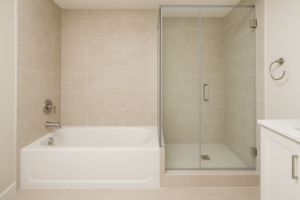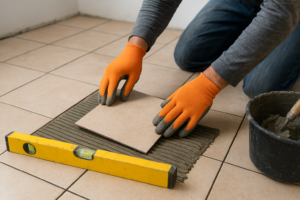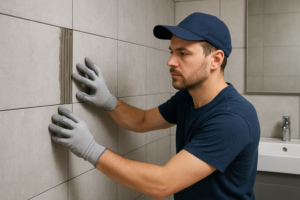
Thinking about swapping out that old bathtub for a sleek, modern shower? You’re not alone. Tub-to-shower conversions have become one of the most popular bathroom remodels, especially for homeowners looking to improve accessibility, maximize space, or simply update their bathroom’s look. But before you dive in, it’s important to understand what drives the cost and what should be included in your contractor’s estimate.
What Factors Affect Your Tub-to-Shower Conversion Cost?
The price tag for converting your tub to a shower can vary dramatically—anywhere from $2,000 to $15,000 or more. Let’s break down the key factors that influence how much you’ll pay.
Size and Layout of Your Bathroom
The dimensions of your existing tub and bathroom space play a huge role. If you’re working with a standard 60-inch tub alcove, you’ll have an easier (and cheaper) time than if you’re dealing with a corner tub or unusual layout that requires extensive reconfiguration. Any changes to plumbing location will also add to your costs.
Materials and Finishes You Choose
Your material choices can make or break your budget. A basic acrylic shower pan and walls might run you $1,000-$2,500, while custom tile work with premium fixtures could easily cost $8,000-$12,000 or more. Prefabricated shower units are typically the most budget-friendly option, while fully tiled custom showers sit at the higher end of the spectrum.
Plumbing and Electrical Work
Sometimes what you can’t see matters most. If your home has outdated plumbing that doesn’t meet current codes, you’ll need to upgrade it. Adding features like body jets, rainfall showerheads, or steam functions will require additional plumbing and possibly electrical work, increasing your overall investment.
Structural Changes and Repairs
When your contractor removes the old tub, they might discover hidden problems like water damage, mold, or rotted subfloor. These issues need immediate attention and can add unexpected costs to your project. It’s wise to budget an extra 10-20% for potential surprises lurking behind those walls.
Accessibility Features
If you’re converting to a walk-in shower for aging-in-place purposes, you might need special features like grab bars, a barrier-free threshold, built-in seating, or non-slip flooring. These modifications typically add $500-$3,000 to your project but provide invaluable safety benefits.
What Should Be Included in Your Estimate?
A comprehensive estimate from a reputable contractor should be detailed and transparent. Here’s what you should expect to see:
Demolition and Disposal
The estimate should clearly state the cost of removing your existing tub, surrounding tile or walls, and hauling away all debris. This usually runs $300-$800 depending on the scope of removal needed.
Shower Base and Walls
Whether you’re choosing a prefab unit or custom tile, the materials and installation labor should be itemized. This includes the shower pan or base, wall surrounds, waterproofing membrane, and all necessary substrate preparation.
Fixtures and Hardware
Your estimate should list all fixtures including the showerhead, faucet, handles, drain, and any additional features like hand showers or body sprays. Make sure the specific brands and models are noted so you know exactly what you’re getting.
Plumbing Services
All plumbing work should be detailed, including relocating or installing new supply lines, drain work, valve installation, and any necessary code updates. Licensed plumbers typically charge $75-$150 per hour, and this labor should be clearly outlined.
Permits and Inspections
Don’t forget about the paperwork! Most tub-to-shower conversions require building permits, which can cost $50-$500 depending on your location. A trustworthy contractor will handle this process and include permit fees in their estimate.
Finishing Touches
The estimate should account for all finishing work including painting, caulking, trim work, and cleanup. Some contractors also include touch-ups to adjacent areas affected by the renovation.
Warranty Information
Make sure your estimate specifies what warranties are included—both for materials and workmanship. Many quality contractors offer at least a one-year warranty on their labor.
Cost Comparison: Different Shower Types
| Shower Type | Average Cost Range | Installation Time | Best For |
|---|---|---|---|
| Prefabricated Acrylic | $2,000 – $5,000 | 1-3 days | Budget-conscious homeowners, quick renovations |
| Standard Tile Shower | $4,500 – $8,000 | 3-5 days | Mid-range budgets, customization options |
| Walk-in Barrier-Free | $5,000 – $10,000 | 3-7 days | Accessibility needs, aging in place |
| Custom Luxury Tile | $8,000 – $15,000+ | 5-10 days | High-end finishes, unique designs |
Tips for Getting Accurate Estimates
To ensure you’re getting reliable quotes, always get at least three estimates from licensed, insured contractors. Be specific about what you want, but also stay open to professional recommendations—experienced contractors might suggest alternatives you haven’t considered that could save money or improve functionality.
Ask to see photos of previous tub-to-shower conversions they’ve completed, and don’t hesitate to contact past clients for references. A contractor who’s proud of their work will be happy to share their portfolio and testimonials.
Remember that the lowest bid isn’t always the best choice. A suspiciously low estimate might indicate cut corners, inferior materials, or a contractor who’ll nickel-and-dime you with change orders once the project begins. Look for the best overall value rather than simply the cheapest price.
Frequently Asked Questions
How long does a tub-to-shower conversion take?
Most conversions take between 3-7 days, depending on the complexity of the project. Prefabricated units can sometimes be installed in just 1-2 days, while custom tile work with extensive plumbing changes might take up to two weeks.
Will converting my tub to a shower hurt my home’s resale value?
It depends on your home. If you have multiple bathrooms and at least one tub remains, a shower conversion typically won’t hurt resale value and may even increase appeal to certain buyers. However, if it’s your only bathroom, keeping at least one tub is usually recommended for families with young children.
Do I need a permit for a tub-to-shower conversion?
In most jurisdictions, yes. Any project involving plumbing changes typically requires a permit. Your contractor should handle this, but always confirm they’re pulling proper permits to avoid potential issues down the road.
Can I convert my tub to a shower myself to save money?
While DIY is possible if you have plumbing experience, most homeowners find this project too complex. Improper waterproofing or plumbing work can lead to expensive water damage and mold problems. Unless you’re highly skilled, hiring professionals is worth the investment.
What’s the most cost-effective way to do a tub-to-shower conversion?
Prefabricated acrylic or fiberglass shower units offer the best bang for your buck. These kits include everything you need and install quickly, keeping labor costs down. You can still achieve a quality look while staying budget-friendly.
How can I prevent cost overruns during my conversion?
Get everything in writing, including a detailed scope of work and payment schedule. Ask about potential hidden costs upfront, set aside a 15-20% contingency fund for surprises, and avoid making changes to the plan once work has started. Clear communication with your contractor is essential.
A tub-to-shower conversion can transform your bathroom into a more functional, modern space that meets your needs for years to come. By understanding what affects the cost and ensuring your estimate is comprehensive, you’ll be well-prepared to make informed decisions and avoid unwelcome surprises. Take your time choosing the right contractor and materials, and you’ll end up with a shower that’s worth every penny.