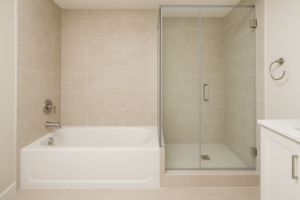
Working with a tile contractor can transform your space, but knowing how to approach the collaboration makes all the difference. Whether you’re renovating a bathroom, updating your kitchen backsplash, or installing new flooring, understanding what to ask and what to expect will help ensure a smooth, successful project.
Why Hiring the Right Tile Contractor Matters
Tile installation is both an art and a science. A skilled contractor brings expertise in surface preparation, proper adhesive application, precise cutting, and flawless grouting. The difference between amateur and professional work becomes evident over time—improper installation can lead to cracked tiles, water damage, and uneven surfaces that compromise both aesthetics and functionality.
Essential Questions to Ask Before Hiring
Before committing to a tile contractor, you need to gather critical information that will help you make an informed decision.
What is your experience with this type of project? Ask specifically about projects similar to yours. A contractor experienced in bathroom floors may not have extensive experience with intricate mosaic backsplashes or large-format wall tiles.
Are you licensed and insured? This protects you from liability if someone gets injured on your property and ensures the contractor meets local building codes and regulations.
Can you provide references and photos of completed work? Speaking with previous clients gives you real insight into their work quality, professionalism, and reliability. Request to see both photos and, if possible, visit completed projects in person.
What’s included in your estimate? A detailed estimate should break down labor, materials, surface preparation, removal of old tile (if applicable), and cleanup. Hidden costs often arise when estimates lack specificity.
How long will the project take? Get a realistic timeline that includes prep work, installation, grouting, and curing time. Understanding the schedule helps you plan around the disruption.
Who will be doing the actual work? Some contractors subcontract portions of the job. You have the right to know who will be in your home and their level of experience.
What is your payment schedule? Be cautious of contractors requiring large upfront payments. A typical structure involves a deposit, progress payments, and final payment upon satisfactory completion.
What to Expect During the Project
Understanding the tile installation process helps you know what’s normal and what might be a red flag.
Surface Preparation: This is arguably the most critical phase. Your contractor should thoroughly inspect and prepare the substrate, ensuring it’s level, stable, and suitable for tile. This may involve installing cement board, applying waterproofing membranes in wet areas, or leveling uneven surfaces.
Layout and Planning: A professional contractor will dry-lay tiles or mark layout lines before applying any adhesive. This ensures symmetrical patterns, minimizes small cut pieces in visible areas, and addresses any design challenges beforehand.
Installation: Expect precision during this phase. The contractor should use appropriate trowel sizes, maintain consistent spacing, and regularly check that tiles remain level. Installation time varies based on project complexity, tile size, and pattern.
Grouting and Sealing: After tiles set (typically 24-48 hours), grouting fills the spaces between tiles. Your contractor should clean excess grout promptly and may apply sealers to protect both grout and certain tile types.
Cleanup and Final Inspection: Professional contractors leave the work area clean and conduct a final walkthrough with you, addressing any concerns before requesting final payment.
Red Flags to Watch For
Certain warning signs indicate you might be working with an unreliable or inexperienced contractor:
Pressure to make immediate decisions or accept estimates without proper evaluation suggests someone more interested in quick payment than quality work. Lack of proper documentation—no written contract, vague estimates, or absence of licensing information—should raise serious concerns.
If a contractor skips surface preparation or dismisses its importance, walk away. Similarly, inconsistent spacing between tiles, lippage (where tile edges don’t align), or rushing through layout planning all indicate poor workmanship.
Preparing Your Space and Yourself
Your preparation contributes to project success. Clear the work area of furniture, decorations, and personal items. If the project affects your kitchen or bathroom, arrange alternative arrangements for cooking or bathing.
Expect noise, dust, and disruption. Tile cutting, demolition, and surface prep create mess despite contractors’ best efforts to contain it. Communicate with household members about the timeline and any areas that will be off-limits.
Make material selections early. Delays in choosing tiles, grout colors, or trim pieces can stall projects and increase costs. Many contractors can guide these decisions, but having preferences researched beforehand streamlines the process.
Understanding Costs and Contracts
Tile installation costs vary widely based on tile type, pattern complexity, surface condition, and regional labor rates. Get everything in writing. Your contract should specify materials (including brand and model numbers), labor costs, timeline, payment schedule, and warranty information.
Be clear about who purchases materials. Some contractors include materials in their bid; others prefer clients purchase tiles directly. Each approach has advantages—contractor purchasing may get trade discounts, while direct purchasing gives you complete control over selections.
Understand warranty coverage for both materials and labor. Quality contractors stand behind their work, typically offering at least a one-year warranty on installation workmanship.
Communication is Key
Maintain open communication throughout the project. Address concerns immediately rather than waiting until completion. Take photos of the work in progress—this documents quality and can be helpful if disputes arise.
Be available for questions but trust your contractor’s expertise. While your input on aesthetic decisions is important, defer to their professional judgment on technical matters like adhesive selection or substrate preparation.
After Project Completion
Before making final payment, conduct a thorough inspection. Check for cracked tiles, grout inconsistencies, poor cuts around fixtures, and proper caulking in corners and transitions. Test that all fixtures work properly and that no damage occurred to surrounding areas.
Request care and maintenance instructions specific to your tile type and grout. Some tiles require sealing; others need specific cleaning products. Understanding proper care extends the life and beauty of your investment.
Frequently Asked Questions
How far in advance should I book a tile contractor?
Quality contractors often book 4-8 weeks ahead, though this varies by season and location. Start your search early, especially if you have a specific timeline or are planning work during busy seasons like spring and summer.
Should I be home during the tile installation?
While you don’t need to be present constantly, being available for questions and periodic check-ins is helpful. Many homeowners prefer being home during the first day and final walkthrough.
What’s the difference between ceramic and porcelain tile installation?
The installation process is similar, but porcelain tiles are denser and harder, requiring specialized cutting tools. Porcelain is also less porous, making it better for wet areas and outdoor applications.
How long before I can use my newly tiled space?
You can typically walk on floor tiles after 24 hours, but wait 72 hours before heavy use. Showers and wet areas should cure for at least 72 hours before water exposure. Your contractor will provide specific guidance based on products used.
What if I find a problem after the contractor leaves?
Contact your contractor immediately. Reputable professionals will return to address legitimate installation issues covered under their warranty. Document problems with photos and communicate in writing.
Can tile be installed over existing tile?
Sometimes, yes, but it depends on the condition of existing tile and the substrate beneath it. This decision requires professional assessment—installing over damaged or improperly installed tile will lead to failure.
Contractor Comparison: What to Look For
| Factor | Professional Contractor | Warning Signs |
|---|---|---|
| Licensing & Insurance | Provides proof of current license and liability insurance | Cannot or will not provide documentation |
| Estimates | Detailed written estimate itemizing all costs | Vague verbal estimates or significantly lower than competitors |
| References | Readily provides multiple recent references and portfolio | No references available or refuses to provide them |
| Communication | Responsive, answers questions thoroughly, explains process | Difficult to reach, dismissive of concerns, vague answers |
| Timeline | Provides realistic schedule with some buffer for unexpected issues | Promises unrealistically fast completion or keeps changing dates |
| Payment Terms | Reasonable deposit (10-25%) with progress payments | Demands large upfront payment or cash-only transactions |
| Contract | Comprehensive written contract covering all aspects | No contract or incomplete documentation |
| Warranty | Offers written warranty on workmanship (typically 1+ years) | No warranty or verbal promises only |
Final Thoughts
Working with a tile contractor should be a collaborative process built on clear communication, mutual respect, and shared commitment to quality results. By asking the right questions upfront, understanding what to expect during the project, and choosing a contractor who demonstrates professionalism and expertise, you set the stage for a successful renovation that you’ll enjoy for years to come.
Remember that the lowest bid isn’t always the best value. Quality tile installation requires skill, experience, and attention to detail. Investing in a reputable contractor protects your larger investment in materials and ensures beautiful, durable results that enhance your home’s value and your daily living experience.