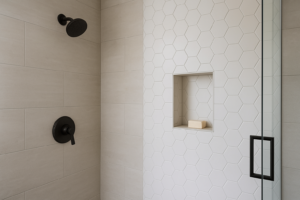
Choosing the right shower tile is one of the most important decisions you’ll make during a bathroom renovation. The material you select will impact not only the aesthetics of your space but also its durability, maintenance requirements, and overall cost. Let’s walk through everything you need to know before making this crucial choice.
Why Your Shower Tile Selection Matters
Your shower is one of the hardest-working areas in your home. It faces constant moisture, temperature changes, and daily wear and tear. That’s why selecting the right tile isn’t just about picking something that looks good—it needs to perform well too. The right tile material will resist water damage, prevent mold growth, and stand up to years of use while maintaining its beauty.
Popular Shower Tile Materials Explained
Let’s explore the most common shower tile materials and what makes each one unique:
Ceramic Tile remains a favorite for many homeowners, and for good reason. It’s affordable, comes in countless colors and patterns, and handles moisture beautifully. Ceramic tiles are made from clay that’s been fired at high temperatures, creating a durable surface that’s perfect for shower walls. However, they’re somewhat porous, so proper sealing is essential.
Porcelain Tile is ceramic’s more refined cousin. It’s denser, less porous, and more resistant to water absorption. This makes it an excellent choice for both shower walls and floors. Porcelain can mimic natural stone, wood, or virtually any material you can imagine. The trade-off? It typically costs more than standard ceramic and can be harder to cut during installation.
Natural Stone Tile, including marble, granite, slate, and travertine, brings unmatched elegance to any bathroom. Each piece is unique, creating a one-of-a-kind look. Stone tiles require more maintenance than ceramic or porcelain—they need regular sealing to prevent staining and water damage. But if you’re willing to put in the extra care, the luxurious appearance is worth it.
Glass Tile adds a modern, luminous quality to showers. It’s completely waterproof, easy to clean, and reflects light beautifully, making smaller bathrooms feel more spacious. Glass works wonderfully as an accent or for entire shower walls. Keep in mind that it shows water spots more readily and requires careful installation to prevent the adhesive from showing through.
Key Factors to Consider Before Buying
Beyond just the material type, several important factors should guide your decision:
Water Absorption Rate is crucial for shower applications. Look for tiles with low water absorption rates. Porcelain tiles typically absorb less than 0.5% of their weight in water, making them ideal for wet areas.
Slip Resistance cannot be overlooked, especially for shower floors. Textured tiles or smaller tiles with more grout lines provide better traction. Look for tiles with a higher coefficient of friction (COF) rating—anything above 0.60 is considered slip-resistant when wet.
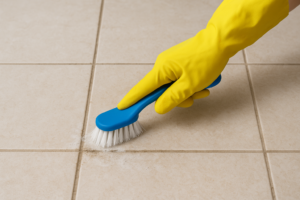
Maintenance Requirements vary significantly between materials. If you prefer low-maintenance options, stick with porcelain or ceramic. Natural stone demands regular sealing and more careful cleaning with pH-neutral products.
Your Budget will naturally play a role. Ceramic tiles are generally the most affordable, while natural stone and high-end porcelain command premium prices. Don’t forget to factor in installation costs—some materials require specialized expertise.
Tile Size and Layout Considerations
The size of your tiles affects both aesthetics and functionality. Larger tiles create fewer grout lines, which means less maintenance and a more streamlined look. However, they require a perfectly level surface for proper installation.
Smaller tiles, like mosaics, offer better slip resistance and can handle uneven surfaces more forgivingly. They’re perfect for shower floors and can add visual interest to walls. The increased grout lines do mean more cleaning, though.
Material Comparison Chart
| Material | Water Resistance | Durability | Maintenance | Cost | Best For |
|---|---|---|---|---|---|
| Ceramic | Good | Good | Low | $ | Budget-friendly walls |
| Porcelain | Excellent | Excellent | Low | $$ | Floors and walls |
| Natural Stone | Fair (needs sealing) | Good to Excellent | High | $$$ | Luxury aesthetics |
| Glass | Excellent | Good | Medium | $$-$$$ | Accents and modern designs |
Installation Tips You Should Know
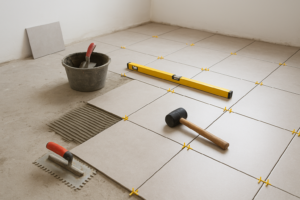
Even the best tile can fail with poor installation. Make sure your shower base is properly waterproofed before any tile goes up. A waterproof membrane is non-negotiable in shower applications—it protects against water damage and mold growth behind your beautiful tiles.
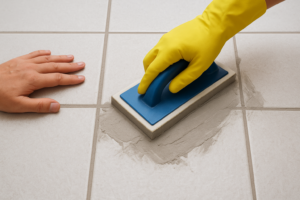
Grout selection matters too. Use epoxy grout or high-quality sanded grout with a proper sealer. Epoxy grout resists staining and doesn’t require sealing, making it ideal for showers despite its higher cost.
Frequently Asked Questions
Q: Can I use the same tile on shower walls and floors?
A: While you can use the same material, floor tiles should have texture or slip resistance. Many people choose matching materials in different finishes—glossy for walls, matte or textured for floors.
Q: How often do I need to reseal natural stone tiles?
A: Most natural stone tiles need resealing every 1-2 years, depending on the stone type and use. Perform a water test—if water soaks in rather than beading up, it’s time to reseal.
Q: Are larger tiles harder to install in showers?
A: Larger tiles require more skill to install properly, especially on shower walls. They need perfectly flat surfaces and precise leveling. It’s often worth hiring a professional for large-format tiles.
Q: What’s the minimum tile size recommended for shower floors?
A: Smaller tiles (2×2 inches or mosaic sheets) work best for shower floors because they provide better slip resistance and accommodate the slope toward the drain more easily.
Q: Can I mix different tile materials in my shower?
A: Absolutely! Many stunning designs combine materials—like porcelain field tiles with glass accent strips or natural stone feature walls. Just ensure all materials are rated for wet areas.
Q: Do dark-colored tiles show water spots more than light tiles?
A: Dark tiles, especially in glossy finishes, tend to show water spots and soap scum more visibly. If you choose dark tiles, consider a matte finish to minimize this issue.
Making Your Final Decision
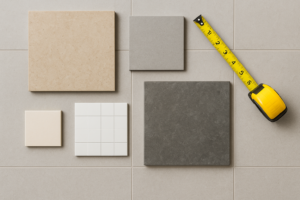
There’s no single “best” shower tile material—the right choice depends on your specific needs, style preferences, and budget. Take time to visit showrooms, feel the tiles in person, and consider samples in your actual bathroom lighting. Think about your lifestyle and how much maintenance you’re willing to commit to.
Remember that your shower tile is an investment that should last for decades. Choosing quality materials and proper installation will save you money and headaches in the long run. Don’t rush this decision—your future self will thank you every time you step into your beautiful, functional shower.