When it comes to kitchen design, the backsplash is more than just a protective barrier between your countertops and cabinets. It’s a powerful visual element that can dramatically transform the perception of space in your cooking area. If you’re working with a compact kitchen or simply want to create an airier atmosphere, the right backsplash choice can work wonders.
Why Your Backsplash Choice Matters for Space Perception
Before diving into specific ideas, it’s important to understand how backsplashes influence the way we perceive space. Light reflection, pattern direction, and color selection all play crucial roles in making a room feel larger or smaller. A well-chosen backsplash can draw the eye upward, bounce light around the room, and create visual continuity that eliminates the choppy, cramped feeling many small kitchens suffer from.
Light and Bright: Reflective Materials That Expand Space
One of the most effective strategies for making your kitchen appear larger is selecting backsplash materials that reflect light. Glossy subway tiles remain a timeless choice for good reason—their shiny surface bounces natural and artificial light throughout the space, creating an immediate sense of openness. Glass tiles take this concept even further, offering superior light reflection while adding a touch of elegance.
Mirrored or metallic backsplashes can also create stunning visual expansion, though they require more maintenance. The key is choosing finishes that complement your existing lighting rather than competing with it. In kitchens with limited natural light, a reflective backsplash becomes even more valuable as it maximizes whatever illumination is available.
Go Vertical: Using Pattern Direction to Your Advantage
The direction of your backsplash pattern can significantly impact how tall and spacious your kitchen feels. Vertical tile arrangements naturally draw the eye upward, making ceilings appear higher and walls seem more expansive. Consider installing rectangular tiles in a vertical stack pattern rather than the traditional horizontal layout.
Alternatively, herringbone or chevron patterns that point upward can achieve a similar effect while adding visual interest. The human eye follows these directional cues unconsciously, creating the perception of greater height even when the actual dimensions remain unchanged.
Color Psychology: Choosing Hues That Open Up Your Kitchen
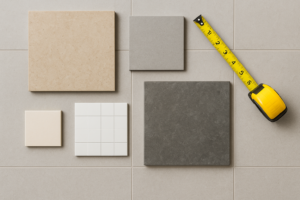
Color selection is perhaps the most powerful tool in your space-expanding arsenal. Light, neutral colors such as white, cream, light gray, and soft beige create an airy backdrop that makes walls seem to recede. These shades also provide excellent light reflection, doubling down on the spacious feeling.
Cool tones like pale blue, soft green, and lavender can also make spaces feel larger by creating a sense of depth and distance. Avoid dark, saturated colors for the backsplash in small kitchens, as they tend to absorb light and make walls feel closer than they actually are.
The Continuity Trick: Matching Your Backsplash to Other Elements
Creating visual continuity between your backsplash and other kitchen elements can eliminate visual breaks that make spaces feel segmented and smaller. Matching your backsplash color to your countertops or cabinets creates a seamless flow that tricks the eye into perceiving a larger, more unified space.
This doesn’t mean everything needs to be identical, but working within a cohesive color palette prevents the visual choppiness that makes small kitchens feel even more cramped. Tone-on-tone designs work particularly well for this purpose.
Scale Matters: Choosing the Right Tile Size
Contrary to what many people assume, larger tiles can actually make a small kitchen look bigger. Oversized tiles with minimal grout lines create fewer visual interruptions, allowing the eye to travel more smoothly across the surface. This creates a sense of expansiveness that smaller, busier tile patterns cannot achieve.
Slab backsplashes—large format porcelain or quartz panels—take this concept to the extreme by eliminating grout lines almost entirely. The result is a clean, modern look that maximizes the perception of space while also being incredibly easy to clean.
Transparency and Texture: Glass Backsplashes
Glass backsplashes deserve special mention for their unique space-enhancing properties. Clear or translucent glass tiles add depth without visual weight, creating layers that suggest more space than actually exists. When installed over a painted wall, they can also introduce subtle color without the heaviness of traditional tile.
Textured glass options provide visual interest while maintaining the light-reflective properties that make spaces feel larger. From rippled surfaces to geometric patterns, these backsplashes add character without sacrificing the airy feeling you’re trying to achieve.
The Full-Wall Approach: When More Is Actually More
While it might seem counterintuitive, extending your backsplash all the way to the ceiling can actually make your kitchen feel more spacious. This approach eliminates the horizontal line created by a traditional backsplash height, which can visually cut the wall in half and make ceilings appear lower.
A floor-to-ceiling backsplash creates a dramatic vertical sweep that draws the eye upward and emphasizes height. This works particularly well with light-colored tiles or panels that maintain an open, airy feeling despite covering more surface area.
Minimalist Grout Lines: Less Is More
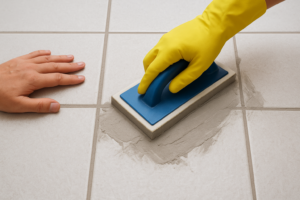
The grout between your tiles creates a grid pattern that can make spaces feel busy and confined. Choosing larger tiles with minimal grout lines or opting for rectified tiles that can be installed with very thin grout joints creates a cleaner, more expansive look.
When grout is necessary, selecting a color that closely matches your tiles makes the grid pattern less prominent. White tiles with white grout, for example, create a much more seamless appearance than white tiles with dark grout, which emphasizes every line and makes the space feel more segmented.
Strategic Pattern Placement
If you love patterned tiles but worry they’ll overwhelm a small kitchen, consider using them strategically. A narrow strip of patterned tile positioned at eye level, surrounded by simple, light-colored tiles above and below, can add personality without visual clutter.
This approach gives you the decorative element you desire while maintaining the open, spacious feeling that solid, light backsplashes provide. The key is restraint—letting the pattern be an accent rather than the main event.
Compare Chart: Backsplash Options for Small Kitchens
| Backsplash Type | Space-Enhancing Effect | Light Reflection | Maintenance Level | Best For |
|---|---|---|---|---|
| Glossy Subway Tiles | High | Excellent | Low | Traditional and transitional kitchens |
| Glass Tiles | Very High | Superior | Medium | Modern kitchens with good lighting |
| Large Format Porcelain | High | Good | Very Low | Contemporary and minimalist spaces |
| Mirrored Backsplash | Very High | Maximum | High | Glamorous or modern designs |
| Marble Slab | Medium-High | Good (polished) | High | Elegant, upscale kitchens |
| White Brick Pattern | Medium | Moderate | Medium | Farmhouse and cottage styles |
Frequently Asked Questions
What backsplash color makes a kitchen look bigger?
White and light neutral colors are the most effective for making kitchens appear larger. These shades reflect maximum light and create an airy, open atmosphere. Soft grays, creams, and pale blues are also excellent choices. The key is choosing colors that don’t absorb light or create heavy visual weight.
Should I use small or large tiles in a small kitchen?
Surprisingly, larger tiles typically make small kitchens look bigger. They create fewer grout lines and visual interruptions, allowing the eye to move smoothly across the surface. Small tiles with lots of grout lines can make a space feel busy and cramped. Consider tiles that are at least 4×12 inches or larger format options.
How high should a backsplash go in a small kitchen?
For maximum space-enhancing effect, consider extending your backsplash all the way to the ceiling or at least to the bottom of your upper cabinets. This eliminates horizontal lines that can make ceilings appear lower and creates a dramatic vertical sweep that emphasizes height.
Are patterned backsplashes okay for small kitchens?
Patterned backsplashes can work in small kitchens if used strategically. Stick to light colors and use patterns sparingly as accents rather than covering the entire backsplash area. Subtle patterns or geometric designs in light tones are less overwhelming than bold, busy patterns in dark colors.
What’s the best backsplash material for reflecting light?
Glass tiles and glossy ceramic or porcelain tiles offer the best light reflection properties. Glass provides superior reflectivity while adding depth, while glossy tiles bounce light throughout the space. Mirrored backsplashes reflect the most light but require more maintenance and may not suit all design styles.
Should my backsplash match my countertops?
Your backsplash doesn’t need to match your countertops exactly, but creating visual continuity with complementary colors and tones can make a small kitchen feel more spacious. Tone-on-tone designs eliminate visual breaks that segment the space, creating a more unified and expansive appearance.
Can a dark backsplash work in a small kitchen?
While challenging, dark backsplashes can work in small kitchens if you have excellent lighting and other light-colored elements to balance them. Consider using dark tiles with reflective, glossy finishes rather than matte surfaces, and limit the dark color to a smaller accent area rather than the entire backsplash.
What about textured backsplashes in small spaces?
Texture can add interest without overwhelming a small kitchen if you choose wisely. Subtle textures in light colors work best—think slightly rippled glass or dimensional white tiles. Heavy textures or three-dimensional tiles in dark colors can make spaces feel smaller by creating shadows and visual complexity.