Walking into a busy commercial lobby or a bustling family kitchen, you’ll notice something interesting: some floors look pristine after years of constant foot traffic, while others show wear and tear within months. The difference? The right tile choice makes all the difference when it comes to high-traffic areas.
If you’re renovating or building, choosing flooring that can withstand heavy use isn’t just about aesthetics—it’s about durability, safety, and long-term value. Let’s explore what actually holds up when the going gets tough.
Understanding What High-Traffic Really Means
Before diving into specific tile types, it’s worth clarifying what we mean by high-traffic floors. These are areas that see constant daily use: entryways, hallways, kitchens, commercial spaces, and family rooms. The flooring in these zones faces multiple challenges—foot traffic, spills, dropped items, furniture movement, and sometimes even wheeled carts or equipment.
The tile you choose needs to resist scratching, chipping, staining, and general wear while maintaining its appearance. It’s not just about surviving; it’s about looking good while doing it.
The Top Contenders for High-Traffic Floors
Porcelain Tile: The Undisputed Champion
When professionals talk about durability, porcelain tile consistently tops the list. This dense, low-porosity material is created under extreme heat and pressure, resulting in a tile that’s incredibly resistant to moisture, stains, and wear. For high-traffic areas, you’ll want to look for porcelain tiles rated PEI 4 or PEI 5—these ratings indicate they’re suitable for heavy to extra-heavy traffic.
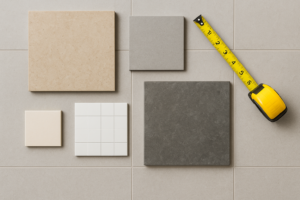
What makes porcelain particularly appealing is its versatility. Today’s porcelain tiles can mimic natural stone, wood, or concrete while offering superior performance. They’re also available in through-body construction, meaning the color and pattern extend throughout the tile, so chips are less noticeable.
Ceramic Tile: A Budget-Friendly Alternative
Ceramic tile is porcelain’s slightly softer cousin. While it won’t quite match porcelain’s durability, high-quality ceramic tiles with appropriate ratings can perform admirably in many high-traffic residential settings. The key is selecting glazed ceramic with a PEI rating of at least 3 or 4.
Ceramic tends to be more affordable than porcelain, making it an attractive option when budget constraints are a concern. Just keep in mind that it’s more porous, so proper sealing and maintenance are essential, especially in moisture-prone areas.
Natural Stone: Beautiful but Demanding
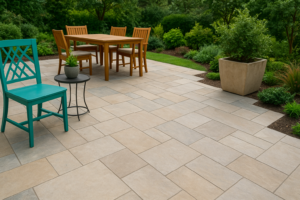
Materials like granite, slate, and quartzite bring unmatched natural beauty to any space. Granite and slate are particularly durable options that can handle high traffic when properly sealed. However, natural stone requires regular maintenance—sealing, careful cleaning, and prompt attention to spills.
Marble and limestone, while gorgeous, are generally too soft for high-traffic areas unless you’re prepared for the patina that develops with wear. Some homeowners embrace this aged look, but it’s not for everyone.
Luxury Vinyl Tile (LVT): The Modern Alternative
While not technically a ceramic tile, LVT deserves mention because it’s increasingly popular in high-traffic settings. It offers excellent durability, comfort underfoot, and realistic wood or stone appearance. High-quality LVT with a thick wear layer can outlast many traditional tiles in certain applications, particularly in residential settings.
Key Features That Determine Durability
Understanding tile ratings and specifications helps you make informed decisions. Here’s what actually matters:
PEI Rating: The Porcelain Enamel Institute rating measures surface abrasion resistance. For high-traffic areas, look for PEI 4 (heavy traffic) or PEI 5 (extra heavy traffic, suitable for commercial use).
Water Absorption: Lower absorption rates mean greater density and durability. Porcelain tiles typically absorb less than 0.5% of their weight in water, making them frost-resistant and highly durable.
Slip Resistance: In high-traffic areas, safety matters. Look for tiles with a coefficient of friction (COF) of at least 0.6 for dry areas and 0.5 for wet areas. Textured or matte finishes generally provide better traction than glossy surfaces.
Breaking Strength: Measured in pounds of force, breaking strength indicates how much weight a tile can withstand before cracking. Higher numbers mean better durability.
Installation Matters Just as Much as Materials
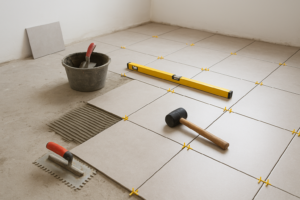
Even the most durable tile can fail if improperly installed. High-traffic floors require a solid, stable substrate, appropriate mortar, and proper grouting techniques. Uneven substrates lead to lippage (uneven tile edges), which creates tripping hazards and stress points where tiles can crack.
Professional installation isn’t an area to cut corners, especially in commercial settings or large residential projects. The cost difference between DIY and professional work is minimal compared to the expense of redoing a failed installation.
Tile Comparison Chart
| Tile Type | Durability Rating | Cost | Maintenance | Best For |
|---|---|---|---|---|
| Porcelain | Excellent (PEI 4-5) | $$-$$$ | Low | Commercial & heavy residential traffic |
| Ceramic | Good to Very Good (PEI 3-4) | $-$$ | Low to Moderate | Moderate residential traffic |
| Granite | Excellent | $$$-$$$$ | Moderate | High-end residential & commercial |
| Slate | Very Good | $$-$$$ | Moderate | Rustic or natural aesthetics |
| Marble | Fair to Good | $$$-$$$$ | High | Low-traffic elegant spaces |
| Luxury Vinyl Tile | Good to Excellent | $-$$ | Very Low | Residential with comfort priority |
The Real-World Performance Test
Theory is one thing, but how do these tiles actually perform in real-world conditions? Commercial spaces provide the ultimate testing ground. Visit busy restaurants, hospitals, or shopping centers, and you’ll typically find porcelain tile that’s been standing up to punishment for decades.
In residential settings, homeowners report that properly installed porcelain and high-quality ceramic tiles maintain their appearance through years of family life, pet traffic, and daily wear. The key word here is “properly installed”—shortcuts in installation create problems regardless of tile quality.
Maintenance: The Often-Overlooked Factor
Even the most durable tile requires appropriate care. Regular maintenance significantly extends the life and appearance of any floor. For high-traffic areas, this means:
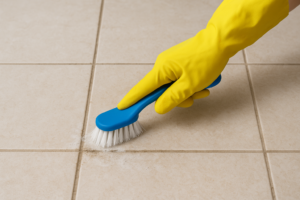
Daily or frequent sweeping or vacuuming to remove abrasive dirt particles that can scratch surfaces over time. Weekly mopping with appropriate cleaners—avoid harsh chemicals that can damage grout or protective sealers. Annual or bi-annual grout sealing to prevent staining and moisture penetration. Immediate attention to spills, especially acidic substances that can etch certain stone surfaces.
The beauty of porcelain and ceramic tiles is that they require minimal maintenance compared to natural stone or LVT, which may need periodic refinishing or replacement of wear layers.
Cost Considerations: Initial Investment vs. Long-Term Value
When evaluating tile options, consider the total cost of ownership rather than just the initial price tag. A cheaper ceramic tile that needs replacement in five years costs more in the long run than premium porcelain that lasts twenty years.
Factor in installation costs, which remain relatively constant regardless of tile type. Also consider maintenance expenses—natural stone requiring professional sealing and special cleaners adds ongoing costs that low-maintenance porcelain doesn’t require.
For commercial applications, downtime for repairs or replacement represents significant lost revenue. Investing in the most durable option often pays for itself multiple times over the floor’s lifetime.
Making Your Final Decision
Choosing the best tile for high-traffic floors comes down to balancing durability, aesthetics, budget, and maintenance requirements. For most situations, porcelain tile with a PEI rating of 4 or 5 offers the optimal combination of performance and value.
If you’re working with a tighter budget, high-quality glazed ceramic can work well in residential settings with moderate to heavy traffic. For those who prioritize natural beauty and don’t mind the maintenance, granite or slate provide excellent durability with unique character.
Whatever you choose, remember that proper installation and regular maintenance are just as important as the tile itself. Invest in professional installation, select appropriate ratings for your specific use case, and commit to basic care practices. Do these things, and your high-traffic floor will look great for decades to come.
Frequently Asked Questions
Q: What’s the difference between porcelain and ceramic tile?
A: Porcelain is denser and less porous than ceramic, fired at higher temperatures. This makes it more durable, water-resistant, and suitable for heavier traffic. Ceramic is more affordable but slightly softer and more porous, making it better suited for moderate-traffic areas.
Q: Do I really need PEI 5 rated tiles for my home?
A: Most residential applications, even busy ones, do fine with PEI 4 tiles. PEI 5 is primarily for commercial settings with extreme traffic. However, using PEI 5 at home guarantees maximum durability if budget allows.
Q: Are textured tiles harder to clean?
A: Textured tiles require slightly more cleaning effort than smooth surfaces, but the difference is minimal with modern cleaning tools. The slip-resistance they provide in high-traffic areas usually outweighs any minor cleaning inconvenience.
Q: Can I install tile over existing flooring?
A: It depends on the existing floor’s condition and type. Tile can sometimes be installed over existing tile if it’s stable and level. However, other surfaces like vinyl or wood may require removal to ensure proper adhesion and prevent future problems.
Q: How long should high-quality tile last?
A: Properly installed porcelain or ceramic tile can easily last 20-50 years or more in residential settings. Commercial installations see similar lifespans despite heavier use. Natural stone can last even longer but may show more patina over time.
Q: Is matte or glossy finish better for high-traffic areas?
A: Matte or textured finishes are generally better for high-traffic areas because they provide better slip resistance and tend to hide scratches and wear better than glossy finishes. Glossy tiles can become slippery when wet and show wear more obviously.
Q: What about large format tiles—are they more durable?
A: Tile size doesn’t directly affect durability, but larger tiles mean fewer grout lines, which can be easier to maintain. However, larger tiles require an extremely level substrate to prevent cracking, so installation quality becomes even more critical.