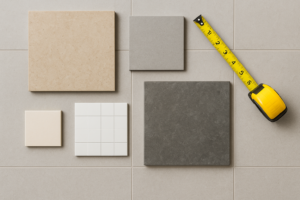
Choosing the right tile for your home renovation or construction project can feel overwhelming. With so many options available, it’s easy to get lost in technical specifications and manufacturer claims. Let’s break down the three most popular tile materials—ceramic, porcelain, and natural stone—in a way that actually makes sense for your project.
Understanding Ceramic Tiles
Ceramic tiles are the workhorses of the tile world. Made from clay that’s been fired at high temperatures, they’re affordable, versatile, and come in countless designs. Think of ceramic as the reliable friend who shows up when you need them—not the fanciest option, but dependable and budget-friendly.
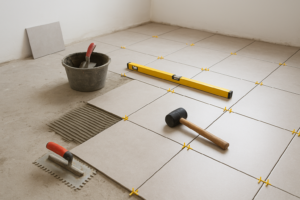
Ceramic tiles work best in areas with lighter foot traffic like bathroom walls, kitchen backsplashes, and residential floors. They’re easier to cut than other materials, which makes DIY installation more manageable. However, they’re more porous than porcelain, which means they can absorb moisture if not properly sealed—something to keep in mind for outdoor applications.
The Porcelain Difference
Porcelain is essentially ceramic’s overachieving sibling. It’s made from finer, denser clay and fired at even higher temperatures. This process creates a tile that’s harder, more durable, and nearly impervious to water.
The beauty of porcelain lies in its versatility. It handles high-traffic areas like champs, resists stains better than ceramic, and works wonderfully both indoors and outdoors. Many porcelain tiles feature through-body color, meaning chips are less noticeable because the color runs throughout the entire tile, not just the surface glaze.
The trade-off? Porcelain costs more—typically 60% more than comparable ceramic tiles. It’s also tougher to cut, which might mean hiring a professional installer or investing in a quality wet saw.
Natural Stone: Timeless Beauty
Natural stone tiles—including marble, granite, travertine, and slate—bring something manufactured tiles can’t replicate: authentic character. Each piece is genuinely unique, with natural variations in color, veining, and texture.
Stone tiles create stunning focal points and add instant luxury to any space. They’re incredibly durable when properly maintained, and they actually develop a beautiful patina over time. Many homeowners appreciate that stone is an environmentally sustainable choice since it’s quarried directly from the earth.
However, natural stone requires more maintenance than ceramic or porcelain. Most stones need regular sealing to prevent staining and moisture absorption. They’re also generally the most expensive option, and their natural variations mean you’ll need to carefully select and arrange pieces for a cohesive look.
Making Your Decision
The right tile for your project depends on several practical factors. Consider where you’re installing the tile—bathrooms and kitchens need water-resistant options, while outdoor spaces require frost-resistant materials. Think about foot traffic levels, your maintenance commitment, and honestly assess your budget.
For budget-conscious projects with moderate use, ceramic delivers excellent value. If you need maximum durability for high-traffic areas or outdoor applications, porcelain justifies its higher cost. And when you want that distinctive, luxurious look and don’t mind the upkeep, natural stone creates spaces that truly stand out.
Comparison Chart
| Feature | Ceramic | Porcelain | Natural Stone |
|---|---|---|---|
| Cost | $ (Most affordable) | $$ (Mid-range) | $$$ (Premium) |
| Water Resistance | Good (requires sealing) | Excellent | Varies (needs regular sealing) |
| Durability | Good | Excellent | Excellent (with maintenance) |
| Maintenance | Low | Very Low | Moderate to High |
| Installation Difficulty | Easy | Moderate | Moderate to Difficult |
| Best Use | Walls, light-traffic floors | All applications | Statement areas, luxury spaces |
| Design Options | Extensive | Extensive (including stone-look) | Unique, natural variations |
Frequently Asked Questions
Can I use ceramic tiles outdoors?
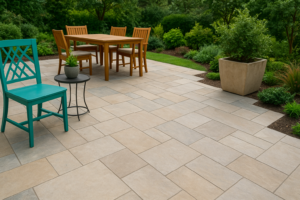
Standard ceramic tiles aren’t recommended for outdoor use in freezing climates because they absorb moisture that can freeze and crack the tile. Porcelain is a better choice for outdoor applications since it’s frost-resistant.
How do I know if a tile is porcelain or ceramic?
Porcelain tiles are denser and heavier. A simple test: check the tile’s edge or back. Porcelain has a uniform color throughout, while ceramic typically shows a different colored clay body under the surface glaze.
Do natural stone tiles need to be sealed?
Yes, most natural stone tiles require sealing before installation and periodic resealing—usually annually or every few years depending on the stone type and usage. This protects against stains and moisture damage.
Which tile is easiest to maintain?
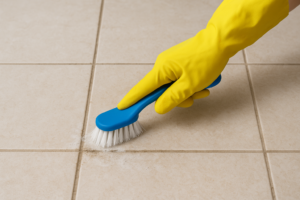
Porcelain requires the least maintenance. Its low porosity means it resists stains naturally and doesn’t need sealing. Simple cleaning with appropriate tile cleaner is typically sufficient.
Are expensive tiles always better quality?
Not necessarily. Price often reflects aesthetics, brand, and material rarity rather than just quality. A well-made ceramic tile from a reputable manufacturer can outperform a poorly made expensive stone tile. Focus on specifications like water absorption rate and PEI rating (wear resistance) rather than price alone.
Can porcelain tiles look like natural stone?
Absolutely. Modern manufacturing technology allows porcelain to convincingly mimic marble, travertine, slate, and other natural stones. These stone-look porcelain tiles offer the aesthetic appeal of natural stone with porcelain’s durability and lower maintenance requirements.