When it comes to designing a functional and beautiful kitchen in a busy household, choosing the right flooring is crucial. High-traffic homes require tile options that can withstand constant foot traffic, spills, dropped utensils, and the general wear and tear of daily family life. Let’s explore the best tile choices that combine durability, style, and practicality for your kitchen floors.
Understanding Your High-Traffic Kitchen Needs
Before diving into specific tile types, it’s important to recognize what makes a kitchen floor “high-traffic.” If you have children running through constantly, multiple family members cooking together, or pets padding across the floor throughout the day, you need flooring that can handle it all. The ideal tile should be slip-resistant, stain-resistant, and incredibly durable while still complementing your kitchen’s aesthetic.
Porcelain Tile: The Champion of Durability
Porcelain tile stands out as one of the most popular choices for high-traffic kitchens, and for good reason. This dense, hard-wearing material is manufactured at extremely high temperatures, making it less porous and more resistant to moisture than many alternatives. Porcelain tiles can handle heavy appliances, dropped dishes, and constant foot traffic without showing significant wear.
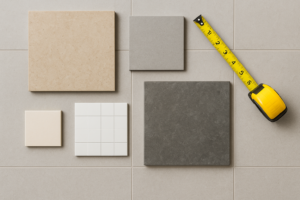
What makes porcelain particularly appealing is its versatility in design. Modern manufacturing techniques allow porcelain to mimic natural stone, wood, or even concrete, giving you aesthetic flexibility without sacrificing performance. For busy families, glazed porcelain offers an extra layer of protection against stains and makes cleaning up spills remarkably easy.
Ceramic Tile: Budget-Friendly and Reliable
While ceramic tile isn’t quite as dense as porcelain, it remains an excellent choice for high-traffic kitchens, especially when you’re working within a budget. Ceramic tiles offer impressive durability and come in countless colors, patterns, and finishes. They’re particularly well-suited for homes where style and cost-effectiveness need to meet in the middle.
The key with ceramic tile is selecting the right grade. Look for PEI (Porcelain Enamel Institute) ratings of 3 or higher, which indicates the tile can handle moderate to heavy traffic. Properly installed and maintained ceramic tile can last decades in a busy kitchen environment.
Natural Stone Tile: Timeless Elegance with Considerations
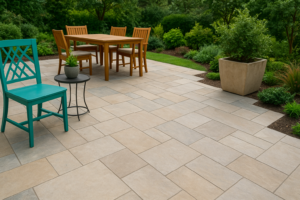
Natural stone options like slate, granite, and travertine bring unmatched beauty and uniqueness to kitchen floors. Each tile is one-of-a-kind, creating a truly custom look that many homeowners cherish. Slate, in particular, offers excellent slip resistance and durability for high-traffic areas.
However, natural stone requires more maintenance than porcelain or ceramic. These tiles need regular sealing to prevent staining and moisture absorption. If you’re willing to commit to the upkeep and want a floor with character and warmth, natural stone can be worth the extra effort in a busy household.
Luxury Vinyl Tile (LVT): The Modern Alternative
While not traditional tile, luxury vinyl tile deserves mention as a high-performance option for high-traffic kitchens. LVT has come a long way in recent years, offering realistic wood and stone looks with exceptional durability. It’s comfortable underfoot, quieter than hard tile, and often more affordable to install.
LVT is particularly family-friendly because it’s warmer to the touch than ceramic or porcelain, more forgiving on dropped dishes, and easier on joints during long cooking sessions. For homes with young children or elderly family members, this comfort factor can be significant.
Key Features to Look for in High-Traffic Kitchen Tiles
Regardless of which tile type you choose, certain characteristics are essential for high-traffic kitchen environments:
Slip Resistance: Look for tiles with textured surfaces or matte finishes rather than high-gloss options. A slip-resistant rating of 0.6 or higher (COF rating) is ideal for kitchen safety.
Water Absorption Rate: Lower water absorption means better stain resistance and durability. Porcelain’s absorption rate is typically under 0.5%, making it excellent for kitchens where spills happen frequently.
Hardness Rating: The Mohs scale measures scratch resistance. Aim for tiles rated 7 or higher to resist scratches from grit, sand, and pet claws.
Size and Grout Lines: Larger tiles mean fewer grout lines, which translates to easier cleaning and maintenance—a real advantage in busy kitchens.
Installation Considerations for Long-Term Success
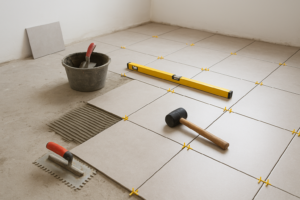
Even the best tile will underperform if not installed correctly. In high-traffic areas, professional installation is highly recommended to ensure proper substrate preparation, appropriate adhesive selection, and correct grout application. These factors dramatically impact how well your floor holds up over time.
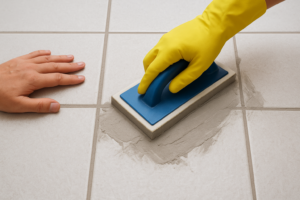
Consider having your installer apply a high-quality grout sealer after installation and plan to reseal annually in high-traffic zones. This simple maintenance step can significantly extend your floor’s life and maintain its appearance.
Maintenance Tips for Busy Households
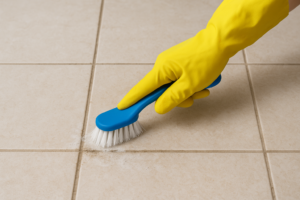
Keeping your kitchen floor looking great doesn’t have to be complicated. Sweep or vacuum daily to remove grit that can scratch tile surfaces. Mop weekly with appropriate cleaners for your tile type, and address spills immediately to prevent staining, especially on natural stone.
Place mats at entryways to reduce tracked-in dirt, and use furniture pads under movable items to prevent scratching. These simple habits will keep your high-traffic kitchen floor beautiful for years to come.
Tile Comparison Chart
| Tile Type | Durability | Water Resistance | Maintenance | Cost | Best For |
|---|---|---|---|---|---|
| Porcelain | Excellent | Excellent | Low | $$-$$$ | Maximum durability and low maintenance |
| Ceramic | Very Good | Good | Low | $-$$ | Budget-conscious families |
| Natural Stone | Good-Excellent | Fair-Good | High | $$$-$$$$ | Unique aesthetic and natural beauty |
| Luxury Vinyl | Very Good | Excellent | Very Low | $$ | Comfort and warmth underfoot |
Frequently Asked Questions
Q: What is the most durable tile for a high-traffic kitchen?
A: Porcelain tile is generally considered the most durable option for high-traffic kitchens. Its low water absorption rate, high density, and resistance to scratches and stains make it ideal for busy households. Look for porcelain with a PEI rating of 4 or 5 for maximum durability.
Q: Are matte or glossy tiles better for kitchen floors?
A: Matte or textured tiles are better for kitchen floors because they provide superior slip resistance, especially when wet. Glossy tiles can be beautiful but are more slippery and show dirt and scratches more easily in high-traffic areas.
Q: How often should I seal my kitchen floor tiles?
A: This depends on your tile type. Natural stone tiles should be sealed annually or even twice yearly in high-traffic kitchens. Glazed porcelain and ceramic tiles don’t need sealing, but the grout lines should be sealed during installation and resealed every 1-2 years to prevent staining and moisture penetration.
Q: What tile size is best for kitchen floors?
A: Larger tiles (12×12 inches or bigger) are generally better for kitchens because they have fewer grout lines, making cleaning easier and creating a more seamless look. However, in smaller kitchens, medium-sized tiles may be more proportional. Very large format tiles can also be more prone to cracking if the subfloor isn’t perfectly level.
Q: Can I install kitchen floor tiles myself?
A: While DIY tile installation is possible, it’s challenging and mistakes can be costly. For high-traffic kitchens where durability is essential, professional installation is recommended. Proper substrate preparation, correct adhesive application, and appropriate grouting techniques are critical for long-term performance.
Q: How do I make my tile floor less slippery?
A: Choose tiles with textured surfaces or matte finishes rather than polished ones. You can also add slip-resistant treatments to existing tiles, use rugs with non-slip backing in key areas, and ensure spills are cleaned up immediately. Look for tiles with a COF (Coefficient of Friction) rating of 0.6 or higher for optimal slip resistance.
Q: Are heated floors compatible with tile in high-traffic kitchens?
A: Yes, radiant floor heating works excellently with tile flooring and can make ceramic or porcelain tiles much more comfortable in high-traffic areas. Tile’s thermal conductivity makes it ideal for heated floors, and the warmth can be especially appreciated during cold months when the kitchen sees heavy use.